Central Portugal / Lisbon region
Lisbon
Neighborhoods, viewpoints, Belém and easy day trips to Sintra and Cascais.
| Ideal duration | 3 days in the city, 4 with Sintra or Cascais |
|---|---|
| Best for | First-time visitors, food, culture, families, couples |
| Car needed | No; metro, trams, trains and taxis cover most trips |
| Good for families | Yes, though cobbles and hills are hard work with a stroller |
| Walking level | Hilly in Alfama, Mouraria and Bairro Alto; flat along the river |
| Best combined with | Sintra, Cascais, Fátima, the Algarve |
| Best time of year | March–June and September–October; August is hot and crowded |
Why visit Lisbon?
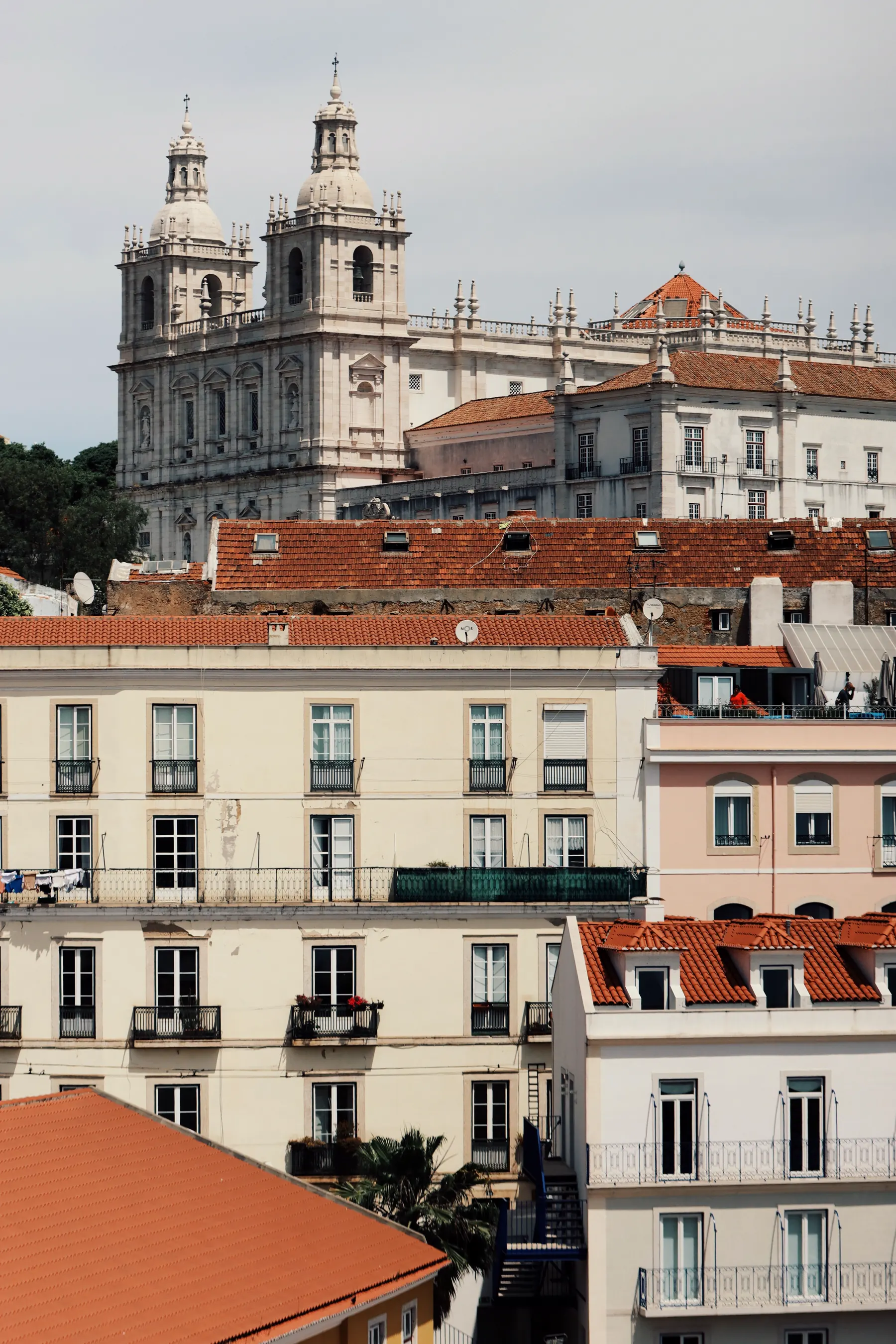
Lisbon is a river city built on hills, which is exactly why it feels different from one neighborhood to the next. Baixa is grid-planned and level, Alfama is medieval and vertical, Belém is monumental and open, and Parque das Nações is modern and flat.
It also works as a base: several of Portugal's best-known day trips are within an hour, which makes a three- or four-night stay productive without changing hotels.
How many days do you need?
Two days cover the essentials but leave the city feeling compressed. Three days let you separate the historic center from Belém and still have a day for Sintra or Cascais. Four days suits travelers who want slower mornings, museums or a food focus.
Best time to visit
Spring and early autumn are the most comfortable for walking the hills. July and August are hot and busiest at the major monuments; if you travel then, front-load mornings and keep afternoons lighter.
Main areas
- Baixa and Chiado — central, flatter and convenient for a first visit.
- Alfama and Mouraria — the oldest quarters: steep, cobbled and best explored gradually.
- Belém — monuments, gardens and the riverfront, with more space for children.
- Príncipe Real and Avenidas — calmer streets, good food, easy access to the center.
- Parque das Nações — modern, level and home to the Oceanário.
Day trips from Lisbon
- Sintra — palaces and gardens; needs a full day and timed palace entry.
- Cascais and the coast — a lighter half-day with a train ride along the river.
- Fátima — meaningful when the destination itself matters to you, not as a casual add-on.
- Évora and the Alentejo — better as an overnight than as a rushed day out.
Planning Lisbon for your travel context
Traveling with children
Mix flatter areas such as Belém and Parque das Nações with shorter sessions in the historic center, and treat Tram 28 as transport with heritage appeal rather than a compulsory attraction.
Traveling with parents or slower walkers
Base yourself low and central, use taxis or the metro to bridge steep sections, and choose one major site per day. Alfama can still be enjoyed — in shorter, planned pieces.
Culture and history
Belém explains Portugal's maritime period; Alfama and the castle explain the older city. Splitting them across two days makes both more comprehensible.
Food and local life
Markets, neighborhood restaurants and unhurried lunches are easier to build in than an extra monument. Leave at least one meal per day unscheduled.
Lisbon: frequently asked questions
- How many days do I need in Lisbon?
- Three days is a comfortable default: two for the city and one for a day trip such as Sintra. Families often prefer four, with one deliberately easy day.
- Is Lisbon stroller-friendly?
- Parts are. Belém, the riverfront and Parque das Nações are manageable; the historic hills, stairs and calçada stone are not uniformly stroller-friendly. A compact stroller plus a carrier gives the most flexibility.
- Do I need a car in Lisbon?
- Usually not. Public transport, walking and taxis are enough, and central parking plus narrow historic streets add unnecessary friction.
- Is Sintra a day trip or an overnight?
- A full day trip works for most visitors. An overnight suits people who want two palaces plus town time at a slower pace.
Related guides
5 days · Couples
Five Days in Southern Portugal: Lisbon, Sintra and the Algarve Without Living in a Car
Two nights in Lisbon, one Sintra day, then the Algarve. How to reach the south without spending the week in transit.
Read the guide7 days · First-time visitors
Seven Days in Portugal for First-Time Visitors: A Route That Does Not Exhaust You
Two bases, one train journey and one big day trip. The seven-day route that works for most first visits — and the version that does not.
Read the guide